
 tr
tr العربية
  English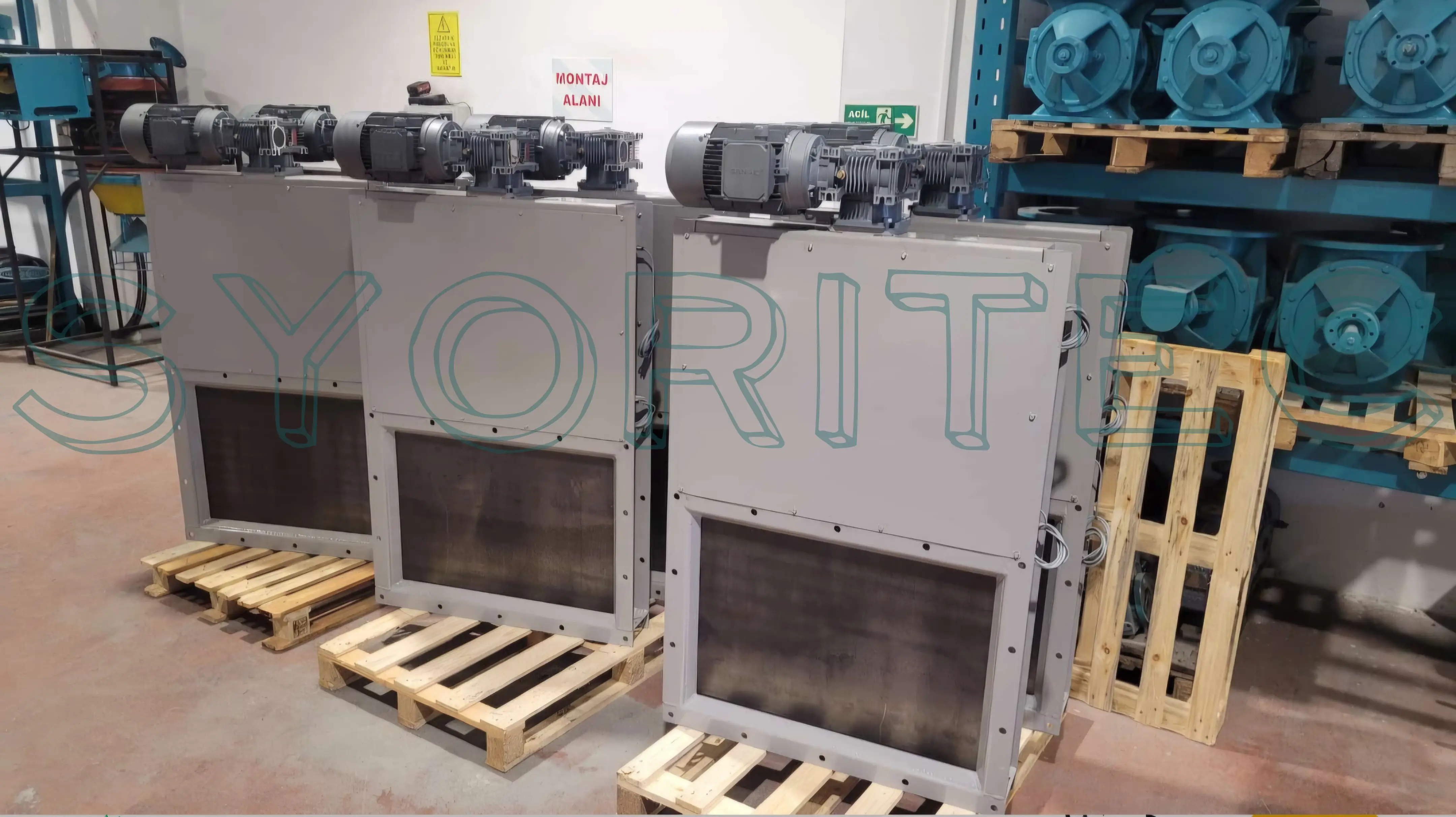
Klapeler
Sürgülü Vanalar (Slide Valves)
Dökme Malzeme Akış Kontrolü ve Sızıntı Önleme için Güvenilir Çözümler
Sürgülü vanalar, endüstriyel proseslerde serbest akışlı dökme malzemelerin kontrolü ve akışın kesilmesi için kullanılan temel ekipmanlardır. Toz, granül ve kuru malzemeler için etkili açma-kapama kontrolü sağlar.
Bu vanalar yaygın olarak silo çıkışlarında, bunkerlerde, tartım bunkeri çıkışlarında, helezon konveyör giriş/çıkışlarında, mekanik ve pnömatik taşıma sistemlerinde kullanılmaktadır.
Düşük profil tasarımı, yüksek güvenilirliği ve farklı tahrik seçenekleri ile çok çeşitli endüstriyel uygulamalara uygundur.

Endüstriyel Uygulamalar
Sürgülü vanalar şu alanlarda kullanılır:
-
Silo çıkışları
-
Bunker besleme noktaları
-
Tartım bunkerleri
-
Helezon konveyör giriş ve çıkışları
-
Mekanik taşıma hatları
-
Dolum ve boşaltma üniteleri
-
Gıda ve kimya proses hatları
-
Plastik, yem, çimento, beyaz çimento, kimyasallar ve toz ürün üretim tesisleri
Sürgülü vanalar, serbest akışlı (Free-Flowing) malzemeler için idealdir:
çimento, karbonat, PVC, tahıl, şeker, kuru kum, mineral tozu, küçük pelletler ve benzeri dökme malzemeler.

Tasarım Özellikleri
Üç farklı geometrik tasarım seçeneği:
-
SVQ – Kare kesit: 150 mm – 400 mm
-
SVC – Dairesel kesit: 150 mm – 400 mm
-
SVR – Dikdörtgen kesit: 200 mm ve 300 mm
Düşük profil tasarım
Silo ve bunker altına kolay montaj sağlar.
Dayanıklı gövde malzemeleri
Sürgülü vanalar üç malzeme seçeneği ile sunulur:
-
Karbon Çelik
-
Galvaniz Çelik
-
Paslanmaz Çelik (304/316) — gıda ve kimya uygulamaları için uygundur
Yüksek dayanımlı bıçak (Blade)
Bıçaklar aynı malzeme seçeneklerinde üretilerek yüksek aşınma dayanımı sunar.
EPDM kaydırma contası (Chute)
Esnek sızdırmazlık sağlar, sürtünmeyi azaltır.
Sızıntı önleyici yapı
Malzeme sızmasını önleyerek temiz çalışma ortamı sağlar.
Serbest akışlı malzemeler için optimize edilmiştir
Topaklaşmayan ürünlerde yüksek performans sunar.

Tahrik Seçenekleri (Actuation Options)
Sürgülü vanalar, farklı proses şartlarına göre üç tahrik sistemiyle sunulmaktadır:
1. ACMS – Manuel Tahrik
-
Basit prosesler için uygundur
-
Doğrudan ve kolay kontrol sağlar
2. ACPS – Pnömatik Tahrik
-
Pnömatik silindir ile çalışır
-
Hızlı açma-kapama
-
Otomasyon sistemleri için ideal
3. ACES – Elektrik Motorlu Tahrik
-
Ağır hizmet uygulamaları için uygundur
-
Hassas ve kontrollü çalışma
-
PLC sistemleri ile tam uyumlu

Operasyonel Avantajlar
-
Sürekli çalışmaya uygun güvenilir tasarım
-
Aşınma ve korozyona yüksek direnç
-
Düşük bakım ihtiyacı ve kolay servis erişimi
-
Sıkı sızdırmazlık ile minimum ürün kaybı
-
Zorlu endüstriyel ortamlarda stabil performans
-
Dar alanlara kolay montaj
-
Mekanik ve pnömatik taşıma sistemleri ile tam uyumluluk

Sürgülü Vanaların Endüstriyel Sistemlerde Tercih Edilme Sebepleri
Çünkü aşağıdaki avantajları sağlar:
-
Mükemmel dökme malzeme akış kontrolü
-
Yüksek taşıma kapasitesi
-
Uzun servis ömrü
-
Stabil ve güvenilir çalışma
-
Gıda uyumluluğu (malzemeye bağlı olarak)
-
Düşük işletme maliyeti ile yüksek teknik değer
Sonuç
Sürgülü vanalar, çeşitli endüstrilerde dökme malzeme akışının kontrolü için tasarlanmış yüksek güvenilirlikte ekipmanlardır.
Farklı tahrik seçenekleri, çeşitli tasarım modelleri ve dayanıklı gövde malzemeleri sayesinde, bu vanalar 7/24 güvenli, istikrarlı ve verimli çalışma sunan ideal çözümdür.
.webp)