

 en
en العربية
  Türkçe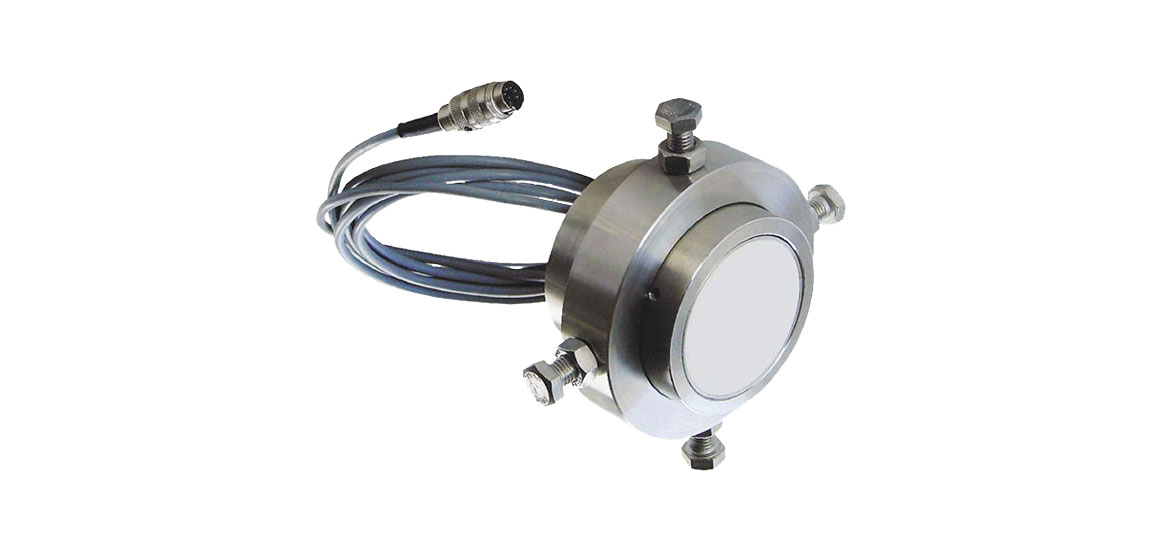
Moisture Probes
Moisture Probes

Accurate Moisture Measurement for Superior Industrial Production Quality
Moisture probes are essential components in mixing and processing systems, providing real-time and precise measurement of moisture content in raw materials. This ensures higher product quality, reduces material waste, and enhances process control throughout production.
These probes are engineered for heavy-duty industrial environments and designed for continuous measurement in applications such as concrete, food, ceramics, animal feed, glass, metal casting, and prefabricated building materials.
Working Principle & Connectivity
Moisture probes operate with a supply voltage of 24V DC ±10% and provide standard industrial output signals:
-
0–20mA
-
4–20mA
They can be connected directly to PLC systems or batching controllers without the need for additional signal converters or display units.
Types of Moisture Probes
Moisture probes are available in three main technologies to meet the requirements of different industries:
1. Capacitive Moisture Probes
These probes measure changes in the dielectric constant of the material.
They are suitable for granular and powdered materials with low to medium moisture levels.
2. Microwave Moisture Probes
These probes use electromagnetic waves to penetrate the material and analyze its response.
They are ideal for high-moisture materials and continuous mixing processes.
Additional Advantages:
-
Equipped with advanced microprocessor technology
-
Higher accuracy and faster response time
-
Supplied with user-friendly calibration and configuration software
3. HPR (High Frequency Polar Reflective) Moisture Probes
The latest and most advanced moisture-measurement technology.
Unlike capacitive and microwave sensors, HPR probes:
-
Analyze wave reflections inside the material
-
Detect the direct interaction of water molecules
-
Provide a more comprehensive and highly accurate moisture reading
Ideal for:
-
High-moisture materials
-
Non-homogeneous mixtures
-
Heat-sensitive materials
-
Applications requiring ultra-precise dosing and mixing
Applications
Moisture probes are widely used across several industrial sectors, including:
Ready-Mix Concrete Plants
-
Monitoring moisture of sand and aggregates
-
Optimizing mix ratios and reducing batch errors
Building Materials Production
-
Bricks, blocks, precast concrete elements
Glass and Foundry Industries
-
Controlling moisture levels before melting and molding
Ceramic and Porcelain Manufacturing
-
Adjusting material mixtures before thermal processing
Food Industry
-
Grains, sugar, flour, starch, animal feed
Animal Feed Production
-
Improving feed consistency and overall product quality
Engineering and Technical Advantages
-
Real-time and highly accurate moisture measurement
-
Suitable for powders, granules, and paste-like materials
-
Heavy-duty industrial design for harsh environments
-
Shock, moisture, and dust resistant
-
Compatible with all PLC and industrial control systems
-
Low maintenance and long service life
-
Reduced material usage and human error
-
Improved production efficiency and lower operational costs
Operational Benefits
-
Enhanced and stable product quality
-
Faster mixing and processing cycles
-
Reduced reprocessing and material waste
-
Lower cement, sand, and raw-material consumption
-
Improved accuracy of batching and weighing
-
Supports fully automated production systems
Conclusion
Moisture probes are essential components in modern production lines, combining:
-
High accuracy
-
Reliability
-
Fast response
-
Seamless integration with industrial automation systems
With the three available technologies—Capacitive, Microwave, and HPR—moisture probes offer a complete solution for monitoring material moisture across multiple industries, ensuring stable performance and highly accurate results that improve productivity and guarantee premium product quality.
